

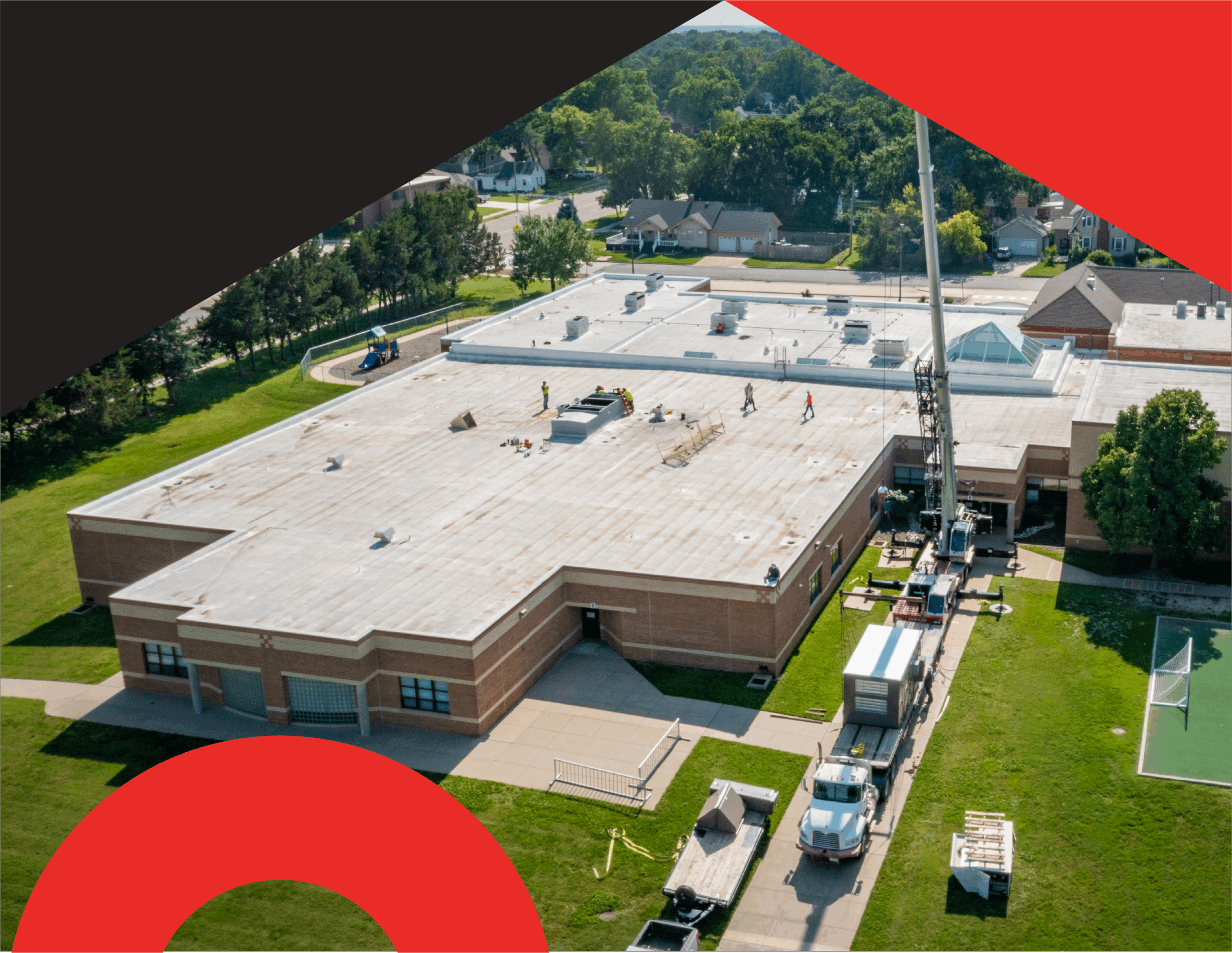
If your school district is preparing a bond proposal, you are probably weighing a long list of needs. In many facilities, mechanical systems such as HVAC, boilers, chillers, and controls are among the oldest assets on campus. A 30-year-old system may be costing more in emergency repairs and staff hours than you realize, and any unexpected failure during the school year can disrupt instruction.
Mechanical upgrades are often essential, but they can be harder to sell to voters than projects that produce visible changes. The challenge is to demonstrate the value of these systems in a way that connects with your community and to ensure that they remain a priority in the budget once the bond is approved.
This article outlines a practical approach that district leaders can use to protect the scope of mechanical work and to communicate its importance clearly to the public.
Value engineering is a process that examines options during the design phase to identify opportunities to save money while preserving or improving functionality. High quality mechanical equipment can reduce lifecycle costs through fewer emergency repairs, lower energy use, and predictable maintenance schedules.
Districts can stretch their budget further by taking advantage of funding opportunities available in 2025. Programs such as the Department of Energy’s Renew America’s Schools grants, Inflation Reduction Act direct pay provisions, and local utility incentives can all offset capital costs. In some cases, Energy Savings Performance Contracts can fund upgrades through guaranteed savings over time.
By showing the public that you are pursuing every available dollar from outside sources, you demonstrate fiscal responsibility and reduce the burden on taxpayers.
A successful bond campaign for mechanical upgrades relies on two connected efforts:
Technical specifications are important for your internal team, but when engaging the public, focus on how the upgrades will improve comfort, health, safety, and long-term costs.
When deciding which systems to include in your bond, look for features that not only meet your operational needs but also resonate with the community when you explain them.
Parents and voters respond when they understand how building systems affect student health and performance. The Environmental Protection Agency notes that people spend about 90 percent of their time indoors, which makes indoor air quality and comfort critical. Studies have linked healthy, well-ventilated classrooms to reduced absenteeism and higher academic performance.
When you frame upgrades as an investment in student success rather than just equipment replacement, you give voters a reason to support the project.
Once a bond passes, priorities can shift during project planning. To keep mechanical work from being cut:
Include commissioning, maintenance, and measurement and verification in your plan so results can be documented and shared.
As you prepare for public meetings and informational materials:
Mechanical upgrades may not be the most visible part of a bond package, but they are among the most impactful when it comes to health, comfort, and operational efficiency. By selecting the right systems, protecting their place in the budget, and communicating their value clearly, you increase the likelihood of passing your bond and delivering lasting improvements to your schools.
1730 E Douglas Ave.
Wichita, KS 67214
(316) 267-5814
115 N Kansas Ave.
Wichita, KS 67214
(316) 239-7641
11200 Corporate Ave.
Lenexa, KS 66219
(913) 338-2211
10915 Eicher Dr.
Lenexa, KS 66219
(913) 871-5478
Building Comfort Zones since 1985
Customer Support: (316) 267-5814
Copyright © 1985 – 2026 Building Controls and Services, Inc.
Web Design and SEO by Digital Lagoon
Learn more about our services and offerings.
You can now submit warranty claims online via our fast and convenient online warranty process.
Become an expert in building intelligence. Save money by lowering the total cost of ownership of your facility equipment. Sign up to receive helpful tips, tricks, and insights to facility management from people who’ve dealt with it all.