

In 2025, K-12 capital planning is more critical than ever as districts face aging facilities, tight budgets, and increasing community expectations. By applying a total cost of ownership mindset and involving stakeholders in the process, schools can make smarter long-term decisions that maximize resources and strengthen outcomes for students.
A 2025 survey of K-12 facilities professionals reveals that budget constraints (30%) and aging infrastructure (20%) remain dominant challenges. Nearly half of respondents rate their facilities as only “fair,” and many remain unsure of their annual per-student operations and maintenance spending. (Source: gofmx.com) This echoes 2024 findings: districts are grappling with deferred maintenance, staffing shortages, and stagnant capital budgets. (Incident IQ and Facilities Dive.)
Rather than default to equipment replacement, leading districts are now focused on data-driven assessments:
As one expert puts it, “Effective capital planning starts with knowing your assets—tracking them, understanding their condition, and planning accordingly.” (Source: Brightly, A Siemens Company.)
Core questions endure:
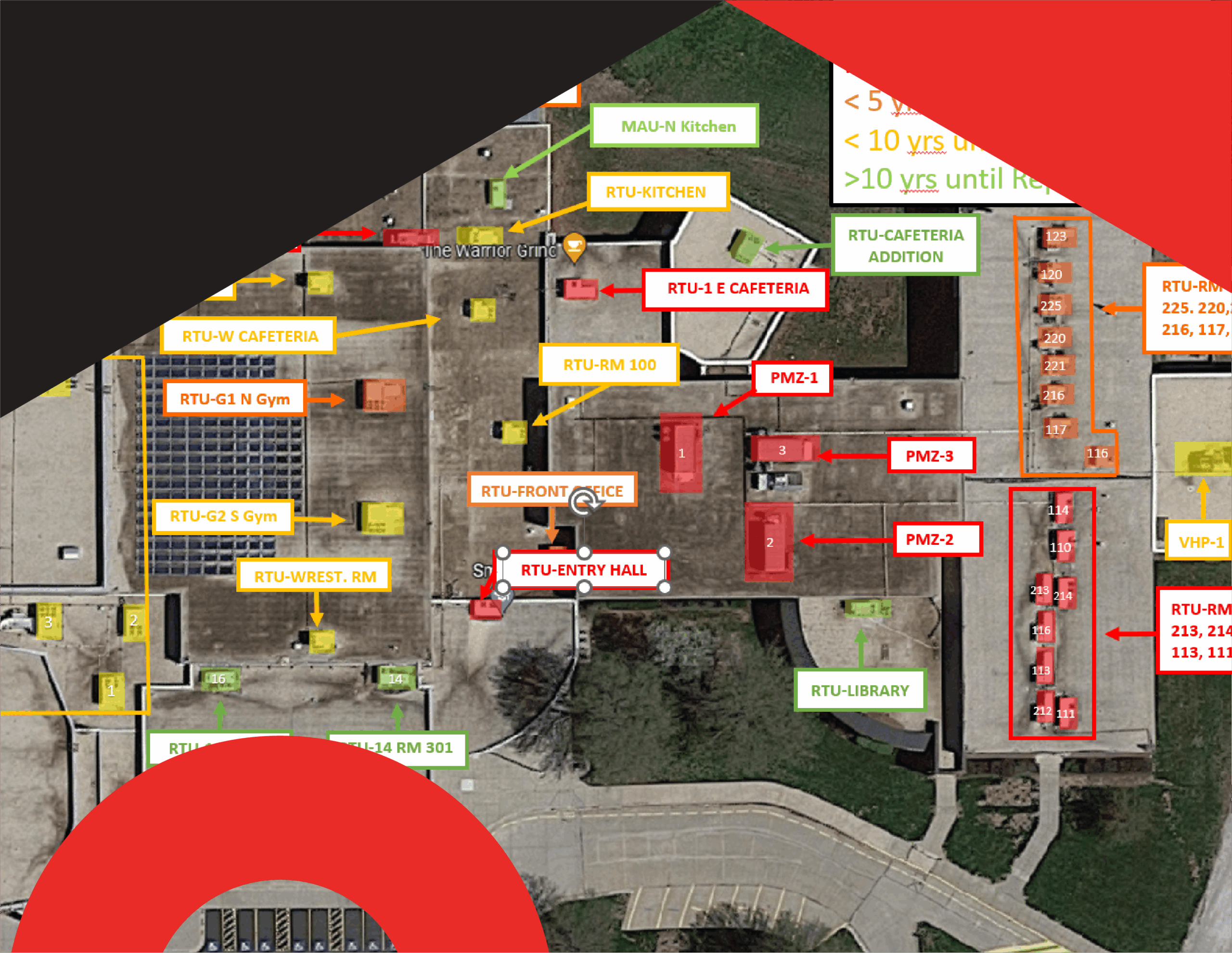
In 2025, answering these requires combining physical walkthroughs with real-time data dashboards, energy audits, and usage analytics. Tools like digital mapping and mobile-accessible dashboards support inspections, emergency readiness, and maintenance tracking. (Source: facilityone.com)
The most successful district capital planning strategies are characterized by:
Effective capital planning in 2025 requires schools to look beyond immediate fixes and consider the total cost of ownership when making decisions about repairs, replacements, and new construction. By leveraging data and long-term planning, districts can better anticipate lifecycle costs and maximize the value of every investment. Just as importantly, empowering stakeholders through transparent communication and inclusive decision-making builds trust and ensures that community voices shape priorities. Together, these strategies create facilities that are financially sustainable, equitable, and designed to support student success well into the future.
Learn more about our HVAC Upgrades for Schools
See our guide on Bond Measure Support for School Projects
Explore our approach to Total Cost of Ownership in Facilities
1730 E Douglas Ave.
Wichita, KS 67214
(316) 267-5814
115 N Kansas Ave.
Wichita, KS 67214
(316) 239-7641
11200 Corporate Ave.
Lenexa, KS 66219
(913) 338-2211
10915 Eicher Dr.
Lenexa, KS 66219
(913) 871-5478
Building Comfort Zones since 1985
Customer Support: (316) 267-5814
Copyright © 1985 – 2026 Building Controls and Services, Inc.
Web Design and SEO by Digital Lagoon
Learn more about our services and offerings.
You can now submit warranty claims online via our fast and convenient online warranty process.
Become an expert in building intelligence. Save money by lowering the total cost of ownership of your facility equipment. Sign up to receive helpful tips, tricks, and insights to facility management from people who’ve dealt with it all.