
Posted on
Posted in Preventative Maintenance

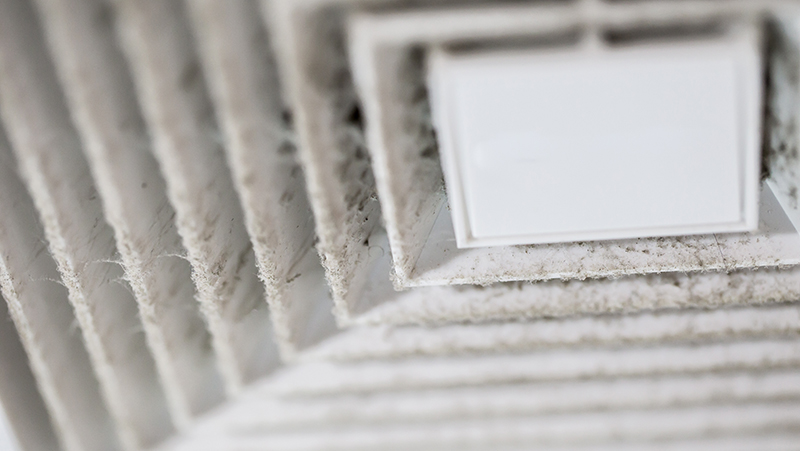
One of the most overlooked, but critical things that requires regular cleaning is your commercial air ducts. Regular air duct cleaning is an important part of preventative maintenance to ensure that your HVAC system is functioning properly, that there are no leaks, and that your indoor air quality is up to par. Commercial air duct cleaning is a must this summer season, and here’s why.

Air Duct Cleaning

    • Conserve Energy: When your HVAC system is full or dirt and debris, it is harder for the system to perform properly. Unwanted debris will force each part to work harder than normal, which expends unnecessary energy. With regular air duct cleaning, your HVAC system can work more efficiently and faster, thus conserving energy.


    • Improve Air Quality: Just as your desk collects dust over time, so does the air ducts in your office. While filters may catch a lot of this debris, much of it settles in the duct. Since the HVAC system circulates the air that you breathe, this dust will be pushed out into the air, which can cause problems for people with allergies or asthma. Regular air duct cleaning minimizes the amount of airborne dust, creating a healthier work environment for you and your employees.


    • Save Money: Regular air duct cleaning will not only conserve energy and create a healthier office environment, it will also save you money. When your HVAC system is filled with debris, it has to work twice has hard to circulate air. This can result in hefty utility bills. With regular air duct cleaning, your monthly utility bill will be much lower. Regular cleaning also extends the life of your system, which will save you the most money in the long run.

By having regular commercial air duct cleaning, you are taking an important step in maintaining your HVAC system, and keeping your office as healthy as possible for your staff.
Posted on
Posted in Energy Management

Your water heater is probably one of the most energy-intensive appliance in your building. Given that they weren’t even regulated until 2008, according to How Stuff Works, that should come as no surprise. However, if you’re looking for a way to cut your costs, you might want to consider switching over to a hybrid water heater.

Hybrid Water Heaters

Here are three reasons why:

Reason #1: Hybrid Heaters Are More Efficient

Unlike traditional water heaters, which have huge holding tanks of water, a hybrid heater typically doesn’t hold more than a few gallons at a time. That’s less water to keep heated, and it can refill that reservoir quickly.

Reason #2: Hybrid Heaters Take Up Less Space

While they aren’t as slender as tankless water heaters, which can be the size of a briefcase, a hybrid water heater is significantly smaller than a traditional model. This makes them ideal for property owners who want to be able to utilize more of their space without dedicating a lot of square footage to a water tank.

Reason #3: Hybrid Heaters Save You Money

Most of us never stop to think how much money we spend every year heating our water. However, while the initial price tag might have some sticker shock, it’s important to remember that hybrid heaters will save you a significant amount of money every year. As a result, these heaters will eventually pay for themselves, allowing you to be thrifty with all your resources.

For more information on how to minimize energy waste, simply contact us today!

Contact Us

Learn more about our services and offerings.

Service Requests

Our team is ready to assist. Please use one of the options below to submit your service request:

Warranty Claims

You can now submit warranty claims online via our fast and convenient online warranty process.

Become an Expert

Become an expert in building intelligence. Save money by lowering the total cost of ownership of your facility equipment. Sign up to receive helpful tips, tricks, and insights to facility management from people who’ve dealt with it all.

Become an Expert

Become an expert in building intelligence. Save money by lowering the total cost of ownership of your facility equipment. Sign up to receive helpful tips, tricks, and insights to facility management from people who’ve dealt with it all.