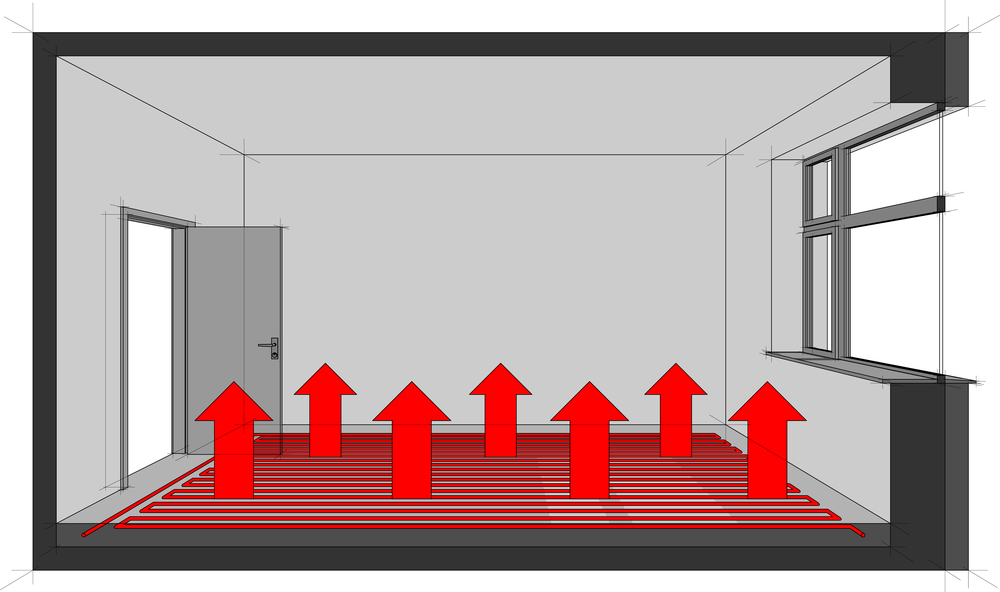
What is Retrofitting?
The term retrofitting refers to adding new technology to an already-existing building or facility, an existing building, or an already-existing piece of electrical equipment. Adding this improved technology helps improve the efficiency of the facility and produces a higher output. Updating through retrofitting has many benefits including saving money on capex while benefitting from the new technology, optimization of existing objects by improving their performance, adaptation of the object to create new/improved products or output, and guarantee of parts availability as technology improves and older parts become “outdated.”

What is Recommissioning?
Recommissioning (RCx) is a re-optimization process that ensures that existing buildings or facilities are operating optimally. Recommissioning involves a rigorous investigative process that ensures the upgrades are fixing any current facility issues and is the best way to fix any identified problems. Recommissioning is being studied as it may be the most underutilized, yet single most cost-effective way to reduce the use of energy used and lessen greenhouse gas emissions.
What is the Difference Between Retrofitting & Recommissioning?
It is worth noting that while both retrofitting and recommissioning are great ways to update technologies within buildings or facilities that already exist. There are benefits and considerations for each as well.
Retrofitting is also known as “existing building commissioning” which is a process that identifies and implements operational and maintenance improvements to ensure that a building continues to perform well over time.
Recommissioning, on the other hand entails running “diagnostic tests” on the existing building or facility to see what is wrong with the building in the first place. Once the building or facility’s shortcomings are determined, the building can be retrofitted with more current, recent technology to help improve the performance and viability of the facility for the future.
In the end, the processes of recommissioning and retrofitting based on test results go hand in hand. Both procedures ensure the future viability of a building or facility moving forward and that the building can operate appropriately.
Both processes can also help a facility to run without burning extra energy, help ensure no extra greenhouse gasses are being emitted into the atmosphere and save extra energy costs as the building will use the energy more efficiently.