Posted on
Posted in Building Automation, Mechanical Equipment, Preventative Maintenance

The average American spends 93% of their life indoors. For a school aged child, that is spent largely at school. According to National Center for Education Statistics (NCES), there are almost 99,000 public K-12 schools in America and the average public-school building in the U.S. is 42 years old. Our students are spending their days in aging facilities with physical deficiencies that may be prohibiting their learning capabilities.

student taking test in classroom

Those in school planning and design have taken this as an opportunity to enhance academic outcomes by created learning environments that live up to the standards many district’s demand of their students’ academics. Clean, quiet, safe, comfortable, and healthy environments are components essential to successful teaching and learning. Rebuilding and updating outdated facilities is essential to the health of our education system. Architects, engineers and owners alike are taking a student-centric approach to modern school building. They are combating some of the biggest health issues in schools with effective HVAC design and mechanics which include poor indoor air quality, temperature and humidity, and ventilation.

HVAC-Related Health Issues in Educational Facilities

Poor Indoor Air Quality

Studies show that 15,000 schools across the US suffer from poor Indoor Air Quality (IAQ), affecting more than eight million children or one in five children in America’s schools. Poor Indoor Air Quality, or breathable air with dust, germs, bacteria and mold can cause Sick Building Syndrome. Sick Building Syndrome is associated with symptoms such as irritated eyes, nose and throat, upper respiratory infections, nausea, dizziness, headaches and fatigue, or sleepiness. The issue is simple. Sick students and teachers don’t perform as well as healthy ones.

Poor IAQ leads to increased student absenteeism. A study conducted by Smedje and Norback and Rosen and Richardson found a positive relationship between airborne bacteria and mold to asthma in children, which, in turn, increased absentee rates. Further, the American Lung Association (ALA) found that American children miss more than ten million school days each year because of asthma exacerbated by poor IAQ.

The Occupational Safety and Health Administration (OSHA) and the National Institute of Occupational Safety and Health (NIOSH) call for fifteen and twenty cubic feet of air per minute per person to deliver more fresh air and dilute and remove contaminants. Avoiding the build up of dust, germs, bacteria and mold in the air is essential to occupant health.

Temperature and Humidity

Temperature and Humidity affect levels of bacteria and mold in a space, which directly impact your facility’s indoor air quality. Additionally, studies prove that students perform mental tasks best in rooms kept at moderate humidity levels (40-70%) and temperatures in the range of 68-74 degrees.

Thermal temperature affects occupant’s concentration, memory and learning ability. It also affects teachers’ ability to teach and overall attitude towards their work. According to a study conducted by Lowe in 1990, the winners of the state teachers of the year awards, the best teachers in the US, emphasize their ability to individually control classroom temperature.

Ventilation

The purpose of ventilating classrooms and school buildings, at a minimum, is to remove or dilute contaminants that build up inside. Contaminants come from breathing, skin, clothes, perfumes, shampoos, deodorants, building materials and cleaning products, pathogens, and from a host of other agents that can be harmful in certain concentrations.

Children breathe a greater volume of air than the average fully-grown adult based on body weight, making proper ventilation essential in schools. Most educational facilities have much less floor space per person than found in most office buildings. The problem lies in the high cost of conditioning and ventilating air to comfortable temperatures before it starts circulating. Due to budget restraints, neglect, poor maintenance or some combination of these factors, many designers and operators are unwittingly creating ineffective learning environments due to inadequate ventilation.

What You Can Do to Improve Learning Environment Health

Watch for Symptoms

Building occupants often associate health symptoms they experience with poor environments. However, determining if health symptoms relate to IAQ problems can be difficult. Acute, or short-term, symptoms are typically similar to cold, allergy and flu. The symptoms below may be an indication of underlying IAQ issues:

  • Chest tightness or shortness of breath
  • Chills
  • Cough
  • Diagnosed infection or clusters of serious health problems
  • Dizziness
  • Eye, nose and throat problems (congestion, swelling, itching or irritation)
  • Fatigue, drowsiness, dizziness or lethargy
  • Fever
  • Headache
  • Nausea
  • Shortness of breath
  • Sinus congestion
  • Skin irritation
  • Sneezing

Take Action to Ensure that Schools Are Well-Maintained

As school budgets tighten, school boards and administration often consider the maintenance budget as an expense to be cut without affecting the core academic program needs. However, a good maintenance program is integral to ensuring that school health and academic programs achieve their fullest potential. An effective maintenance program can reduce both energy costs and long-term repair costs.

Sources:

http://www.ncef.org/pubs/outcomes.pdf

http://www.ncef.org/pubs/teacherretention.pdf

https://www.epa.gov/iaq-schools/indoor-air-quality-high-performance-schools#how

https://www.epa.gov/iaq-schools/evidence-scientific-literature-about-improved-academic-performance

https://www.epa.gov/schools-air-water-quality/healthy-schools-and-indoor-air-quality
Posted on
Posted in Energy Management

We are thrilled to announced that our Strategic Energy and Maintenance Program with St. Catherine Hospital in Garden City, Kansas received a Top Project of the Year Award in the Energy Manager Today Product & Project Awards. The project was recognized for excellence in improving environmental and energy management while increasing the bottom line.

One judge said of the award win, “This project allowed the facility to become compliant with regulations, saved money and allowed the facility to operate while meeting critical care conditions for the hospital.  It is impressive that the hospital undertook such a large-scale project to really look at improving the internal environment while also minimizing the effects upon the external environment.  Hospitals are not typically known for implementing green projects.  St. Catherine should be commended for being a leader in making improvements that will help not only their patients, but also our planet.”

Another added, “This was a great application of a building maintenance intelligence system to help with critical infrastructure, like a hospital, improve energy efficiency management without needing to spend significant capital to upgrade the facility’s central power plant. It’s a great model for other older facilities to follow.”

Scores were determined by a panel of independent judges headed by Peter Bussey of LNS Research and also including judges from:  Ball Aerospace, Best Buy, Black Ink Consulting, BSI Group, CandA, Caesars, Consultant Ben Larkey, Harbec, Kellogg, LNS Research, Marriott, Miller Coors,Nike, Novartis, Sears Holdings Corporation, Strategic Sustainable Consulting, Sustridge, Tesla,  Wellborn Cabinet, and Vincit Group.

With rapid advancements and a continuous rate of change in the field, sustainability and energy professionals have the daunting task of choosing products to help their companies increase energy, environmental, and sustainability performance. The Environmental Leader and Energy Manager Today Product & Project Awards give companies a solid base of products, vetted by experts, from which to choose, as well as a variety of successful projects to illustrate how sustainability and energy management is helping companies improve.

“With a highly respected (and critical) judging panel and a strict set of judging criteria, entrants faced an extremely high bar for the level of product or project to qualify for an award,” says Tim Hermes, publisher of Environmental Leader parent company, Business Sector Media. “Those who entered needed to bring their A-game to get even a sniff of award-nirvana. And they delivered.”

About the award-winning project: 

St. Catherine Hospital partnered with Performance Solutions to address temperature and humidity compliance issues in critical care areas, decrease energy costs and save time responding to issues. PS conducted a detailed condition assessment and identified improvements to ensure the building systems were working efficiently. To solve issues in critical care areas, a central plant and building analysis discovered an underperforming design and recent modification that caused insufficient flow to parts of the hospital. Piping modifications, equipment repairs, and new building technologies optimized chiller plant and surgical suites operations. The improvements resulted in regulatory compliance, capital cost avoidance, chiller plant and critical care optimizations, and confidence in chiller capacity keeping redundancy. To improve hospital data analytics, St. Catherine’s implemented the PS Building Intelligence Program (BIP). Maintenance staff monitors, analyzes, and runs reports in real time, enabling staff to make informed facility operations decisions and improve service quality.

Using the facility systems and data already in place, we conducted a gap analysis and comprehensive facility assessment. Armed with information, St. Catherine and Performance Solutions assessed the root cause of immediate, budget draining, facility issues and fixed them while addressing waste and consumption. We provided a complete inventory and prioritized plan to improve facility conditions and a best-practices ongoing maintenance plan. The staff trained on efficient operations strategies and in using the Building Intelligence Platform (BIP), a platform that overlays all facility automation systems to track real-time performance data. A financial model was prepared that focused on reducing existing costs. This resulted in a budget neutral program for the hospital after facility improvements were implemented.

Performance Solutions continues to track program results with real-time monitoring and regular report findings for future cost-saving opportunities and to identify facility issues before they arise, creating a more proactive approach to energy management.

In this critical 132 bed hospital, the successful Strategic Energy and Maintenance Program saved the hospital $199,800 in the first year and $1 million in cost-avoidance by avoiding the expansion of their central plant. The hospital’s key challenges of maintaining proper temperature and humidity in critical care areas, reducing energy cost and deferred maintenance, and improving building technologies were fulfilled. They now have the tools to monitor these areas and proactively eradicate problems before they occur while utilizing the BIP to its full potential- tracking trends and utility bill data to identify future projects.

Three years after implementation, the projected savings continue to be on track, exceeding projections. In fact, the hospital submitted for an Energy Star certification. The program’s success is boosting the utilities budget, making it possible to prepare for future facility upgrades and enabling the staff to focus on what matters most, the patient.

Many firms told St. Catherine’s expansion of their central plant to address the regulatory challenges was a necessity. We partnered with hospital staff to take data measurements on real-time system operations. Upon determining the plant should support the load requirement, the teams focused on optimizing the plant rather than trying to sell hospital equipment.

After repairing existing equipment, upgrading the controls system to enable more data and visibility, and setting KPI’s, the system is running effectively. It is running at 1/3 the previous flow and the maintenance team has moved from reactive to a proactive maintenance philosophy. The nurses in critical care areas were provided dashboards that show real-time performance. They can quickly check compliance levels and notify staff of any issue.

These tailored solutions go much farther than traditional performance improvement. The team created a low-cost operations strategy that paid for itself in cost-avoidance and continues to perform well. Learn more

About Energy Manager Today

Since 2006, Energy Manager Today’s websites and daily email newsletters have provided the definitive and objective voice in reporting on business-related energy, environmental, sustainability, and energy and energy management issues. Visit: www.energymanagertoday.com/

About the Energy Manager Today Product & Project Awards

In its sixth year, the Environmental Leader Product & Project Awards recognize excellence in products and services that provide companies with energy and environmental benefits, or in corporate projects that improved environmental, sustainability or energy management and increased the bottom line. It is a five-point rating system designed to offer companies feedback and recognition. Third-party judges came from the following companies:  Ball Aerospace, Best Buy, Black Ink Consulting, BSI Group, CandA, CaesarsConsultant Ben Larkey, HarbecKellogg, LNS Research, Marriott, Miller Coors,Nike, Novartis, Sears Holdings Corporation, Strategic Sustainable Consulting, Sustridge, Tesla,  Wellborn Cabinet, and Vincit Group.  For a complete list of winners, visit www.energymanagertoday.com/

Posted on
Posted in Mechanical Equipment

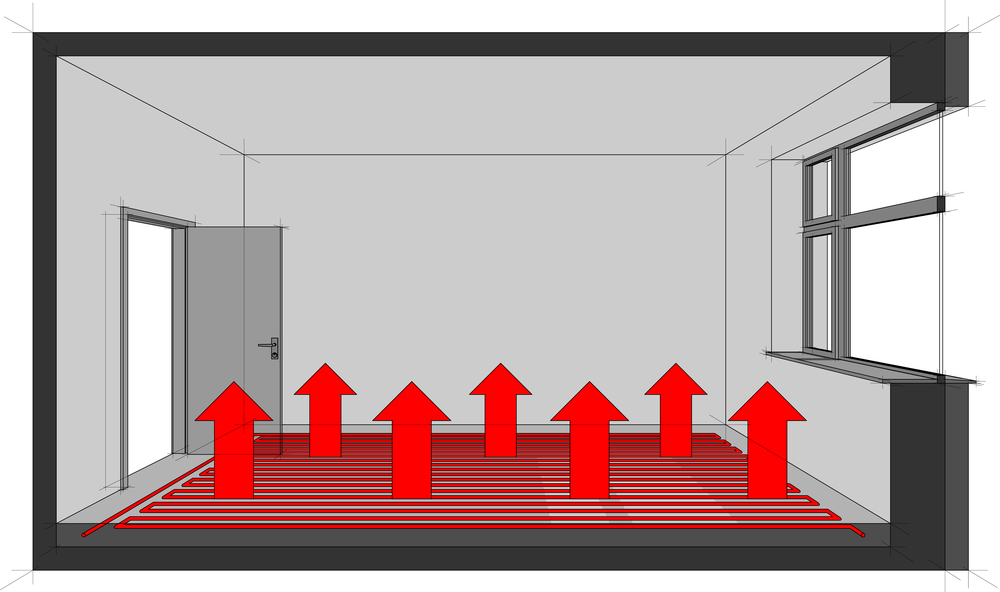
Underfloor Technology, or Underfloor Air Distribution (UAD/UFAD), is a method of delivering space conditioning in offices and other commercial buildings. It uses open space between a structural concrete slab and the underside of a raised access floor system to deliver conditioned air directly into an occupied zone of a building. The air is delivered through a variety of supply outlets located at floor or desk level. This method of heating and cooling is quickly growing in popularity due to its potential advantages including improved thermal comfort, increased indoor air quality, and energy use reduction.

UFAD heating diagram

Improved Thermal Comfort
This system gives individual users control over their local thermal environment compared to traditional systems. Because ventiliation accessibility, individual comfort preferences can be accommodated. Research evidence shows that occupant satisfaction and productivity can be increased by giving individuals greater control over their local environment. Additionally, UFAD introduces supply air at a higher temperature than overhead systems, reducing the likelihood of cold sensation.

Increased Indoor Air Quality
Three items affect the increased indoor air quality experienced by UFAD users- increased ventilation effectiveness, removal of pollutants out of the breathing zone, and the ability to effectively maintain floor plenums. Ventilation effectiveness is due to the proximity of diffusers to an individual’s breathing zone. The overall floor-to-ceiling air flow pattern provided by UAD systems more efficiently remove contaminants from occupied spaces. In other words, air from the floor sweeps pollutants up and away from the breathing zone and reducing cross-contamination. Effectiveness is also increased in cases where users have the ability to relocate/add diffusers to match use patterns of the facility. Ventilation can be increased proportionally to need without awaiting thermal demand.

Energy
Taking into consideration factors such as ventilation effectiveness, stratification savings, higher supply temperatures and split task/ambient conditioning, UAD systems can identify between 5-25% energy consumption savings due to use of higher supply air temperatures. These air temperatures allow the use of economizer cycle for longer time, especially in mild climates. For systems that have split task ambient conditioning, savings can occur if task-conditioning operation is flexible and occupancy sensors in use. In addition, UFAD conditions only use the first six feet of space in a room, reducing supply air requirements and chiller and primary fan capacity as a result.

Cost
By combining all aspects of the HVAC system into one easily accessible service plenum, flexibility is increased and potential costs are avoided associated with re-configuring building services. Facility management costs decrease due to reduced occupant comfort complaints. These benefits allow for reduction in facility staff requirements and give the team the opportunity to complete preventive maintenance tasks.

Growth for this cost-effective technology has been relatively slow as with any unfamiliar technology. The perceived high risk to designers and building owners, lack of available information and standardized guidelines, and the perceived higher cost of a raised floor drive the resistance to implement UFAD technology.

Feeling unsure about its application? American AgCredit applied UFAD technology to their regional headquarters in Wichita, Kansas and experienced increased employee comfort compared with their previous facility’s traditional system. The award winning system design called for the use of a complementary unit that had the ability to provide very dry, comfortable, underfloor air that cooled slightly into the 60’s. American AgCredit utilized AAON DPAC units because of the product’s ability to efficiently cool all underfloor air while only dehumidifying a portion to lower humidity levels. Learn more.

Interested in how Underfloor Technology could benefit your facility? Contact us to learn more.


Source: Center for the Built Environment: https://www.cbe.berkeley.edu/underfloorair/techoverview.htm 

Posted on
Posted in Company News

BCS partnered with Siemens Building Technologies to bring an understanding of energy efficiency to local Kansas school district, USD 265 Goddard Public Schools. BCS’s Steve Mankins, spent three days in sixth grade classrooms engaging students in hands-on activities about renewable energy sources. We incorporated the district’s recent energy efficient HVAC, lighting and infrastructure upgrades into the discussions, hoping to give students a better understanding of the changes to their schools.

Students used solar panels, battery packs, and hydrogen to generate enough energy to power a light and fan motor. They learned about the strength of each energy source, their applications, and how to build sustainability and conservation into their daily routines. Most importantly, sixth graders at Discovery and Challenger Intermediate learned about the importance of energy efficiency to their school and planet. Steve had this to say about spending three days in Goddard classrooms: “The kids learned about sustainable energy sources in a hands-on way that hopefully helped them better understand how alternative energy applies to their day-to-day lives and future. They were engaged and asked intuitive questions- many about how to use less energy in their daily lives. It is vital to engage students in discussions about renewable energy- we’ve just scratched the surface! These kids will be the ones to take us into the future.”

for inside blog post

This lesson supplemented the district’s participation in the hands-on education program, Project Lead The Way, a non-profit organization empowering students to develop and apply in-demand, transportable skills by exploring real-world challenges and technologies in science, engineering and biomedical sciences.

Participating sixth grade teachers, Cheryl Congleton and Stephanie Ryan, say that students enjoyed a hands-on opportunity to learn about solar energy. “I can say that this was a fantastic experience for my students, and that [BCS] provided an educational opportunity that normally would not have been possible.  My students were talking for days/weeks about what they learned, and how much fun they had when Steve was teaching. It was fun to see the reactions of students as they witnessed the transfer of electric energy into hydropower. The conversations and questions about how to apply this technology on a large scale were amazing, and my students had a “Hands-On” experience to really show them how renewable energy can work.” -Cheryl Congleton

“[The lessons] really got them excited about the possibilities of alternative energy sources. With the hand-on aspect the concepts we learned clicked for a lot of the students. The kits could not have fit more perfectly with our Project Lead The Way unit of Energy and the Environment. I feel so privilege to have had this opportunity for my students.” -Stephanie Ryan

Posted on
Posted in Energy Efficiency

LEED (Leadership in Energy and Environment Design) certifications are globally recognized as a symbol of achieving building sustainability. As defined by the U.S. Green Building Council, LEED is the most widely used green building rating system in the world. It provides a framework for all building projects to apply healthy, highly efficient and cost saving strategies. LEED certification provides a roadmap to sustainability that takes the mystery out of the ethereal concept of “Green Design” and gives building owners tangible financial benefits and incentives.

architect with drawings smaller

While the concept of Green Building is increasing in popularity, its cost, cultural and structural resistance, lack of know-how, expertise, funding and awareness keep its growth slow. Organization’s fear of implementing new and imperfect concepts, keep them from trying green building. Renowned green architect William McDonough makes a good point. The job of green design is not for everything to work perfectly at first, but to stimulate improvement, learning and best practices throughout the facility’s life. LEED certification is not an exact blueprint. Green designers focus should not be on certification alone, but how building performance leads to certification. Building for certification alone hinders the purpose of sustainability, tampering a facility’s efficiency and sustainability potential in the long-run.

Another LEED trap to avoid is gaming the system for easy returns. By making one-off, incentivized adjustments to your facility in lieu of developing a wholistic strategy, you’re forgoing long-term savings and actual environmental benefits.

As these practices become more mainstream and more businesses adopt them, designers and developers will begin to blindly follow requirements without questioning or improving them at all. It’s vital to your LEED design to encourage forward-thinking planning and future improvements.

When done correctly and in partnership with talented, qualified engineers, architects, and building owners with experience, an LEED standard building strategy is beneficial to the owner’s budget, equipment life, the organization, and the health of its occupants. While initially expensive, an effective strategy will focus on the life-cycle evaluation of a building and its performance data, prioritizing long-term financial and environmental benefits.

Green, LEED certified facilities are a worthwhile option for organizations willing to take a risk to continue improving innovative technologies and applications that truly benefit all stakeholders. When a dedicated team and plan is in place to keep operations running inline with LEED requirements, continued improvement and long-term benefits are a guarantee.

Sources:

https://www.usgbc.org/help/what-leed

https://grist.org/article/green-building/

http://www.zdnet.com/article/top-pros-and-cons-of-leed/

https://www.archdaily.com/227934/where-is-leed-leading-us-and-should-we-follow?ad_medium=widget&ad_name=navigation-prev

Posted on
Posted in Company News

Your 30-year old heating and cooling system is taking up more and more of your facility team’s time to keep running. It’s past time to consider its inevitable replacement. The cost of shutting down school to fix a chiller, air handling unit, or boiler is not in the budget. The district is ready to pass a bond and is willing to include 20% for mechanical upgrades. Before you start rallying the community around a bond issue, you must consider how you are going to sell the value of your facility upgrades and rally support from your board and community. You must also be prepared to safeguard your budget. When your upgrade project starts to creep overbudget, facility equipment is the first to suffer because its effects are not visible to the public.

desks

Build “value engineering” into your budget by finding ways to spend less on mechanical systems without sacrificing functionality. Value engineering is the review of products during the design phase to reduce costs and increase functionality to increase the value of the product. If you purchase a piece of high quality equipment, you can reduce other parts of the budget as a result. For example, if you are purchasing for longevity and product support, your Total Cost of Ownership should be reduced because you can plan to spend less on maintenance, replacement parts and service.

A school bond financially affects the local community, so proposing the purchase of systems without explaining their worth, both financial and tangible, could hurt your chances of it passing. Stewarding community and district funds is daunting, but when you are choosing facility equipment that really is best for students and staff, you have the tools you need to craft a winning message. Your strategy should be two part: selecting facility systems that produce the most benefit to students and staff and then effectively communicating those system’s value to the public from a relatable angle.

What attributes do facility equipment like building automation systems, HVAC equipment, and fire and security systems need to encompass to truly be the best for your building’s occupants? And what is the best way to communicate these benefits externally? Share comfort and health benefits. According to the Environmental Protection Agency, children spend 90% of their time indoors, the majority of that time spent in school. Schools in exemplary physical condition report improved academic performance while schools with fewer janitorial personnel and higher maintenance backlogs report poorer academic performance. In fact, a study of the costs and benefits of energy efficient equipment in K-12 schools in Washington State estimated a 15% reduction in absenteeism and a 5% increase in test scores.

The facility systems you select play an enormous role in the quality of your education. Your community will gladly vote yes for facility upgrades that benefit their children, especially when you can prove the tangible benefits to learning.

When it comes to building systems, here are the six most important features your systems need to build comfortable and healthy environments. These items should make it easy to prove your district is being a good steward of public funds for its infrastructure.

  1. Flexibility
    To accommodate student schedules and after-school activities, you need systems that will fit your unique needs. Not only do you need individual spaces heated and cooled at different temperatures, you need the flexibility to keep certain parts of your facility running for various times and numbers of people. Your equipment should be able to create comfortable spaces for any need by its ability to handle different loads, whether it’s gym class for eight hours or a 3-hour basketball practice for 10 people. You should also be looking for equipment that will run both heating and cooling efficiently, monitoring the environment to maintain temperature to prevent discomfort or distraction.
  2. Quiet Operation
    Your job is to maintain environments conducive to learning, but a noisy heating and cooling system is disruptive. Choose HVAC equipment that has industry-leading sound levels to keep students focused on what’s important. The highest efficiency modulating compressors tent to be a little noisy. In your project’s design phase, be sure to place your energy efficient equipment away from classrooms and insulate it.
  1. Safety
    School violence has only increased over the past several years, and both students and parents are feeling the uneasiness associated with it. When staff and students are on campus, you are responsible for their wellbeing. Why not keep them the safest they can be with state-of-the-art fire and security systems?Install a security system in your school that will protect your students and faculty, increase their sense of protection and get help to them fast in the event of an emergency. You can’t always prevent violence, but you can decrease the odds that it will happen at your school and help protect your students if it does. This doesn’t only mean having access controls, but a holistic safety plan that includes video surveillance and automation that integrates with your access controls. The community will resonate with the urgency to upgrade outdated security systems to keep their loved ones safer.Find a provider that can help you plan a fire-safety plan, check all requirements and deliver regular testing and maintenance to keep everything in compliance. Implement cutting-edge systems that, for example, connect directly to the fire station or panic alarms that communicate with the police force. These products bring a faster response time to emergencies with little more than the press of a button.
  1. Efficiency
    Not only should you expect your facility equipment to run, providing comfort to its occupants, it should deliver a return on investment. By upgrading to more energy efficient equipment, your upgrades could pay for themselves in the long-term, especially when properly maintained and controlled.In 2016, Hays Middle School in Hays, Kansas used community funds to add a 21-square foot gymnasium and upgrade an antiquated boiler/chiller system with AAON Equipment. Their utility bills did not increase. Learn more about their stories now: https://bldgcontrols.com/works/hays-middle-school/
  1. Controlling and Monitoring
    To enhance efficiency and increase the profitability of your facility equipment, it is essential to implement a Building Automation System to integrate and control all building systems as efficiently as possible, all in one place.Building Automation Systems improve efficiency by reducing the power used during off-hours automatically. They monitor temperatures during the day and adjust to keep things comfortable at reduced power output levels. Additionally, they can tie into your security system and keep access to your buildings under tight control.
  1. Longevity
    You’re using the community’s money to upgrade your facility, so you want to purchase equipment that is built to last with the highest quality materials, most innovative and efficient features with a strong reputation.Investing in the best facility systems that come with built-in organizational support like service, maintenance and compliance testing and then effectively promoting your plan to the community, in terms of improved educational standards will earn you unprecedented support for your next bond issue.

Contact us for your bond issue facility system needs- our equipment checks all the boxes. We’ll help you find the best way to communicate with local constituents to get the vote.

Sources:

More information about the affects of a healthy environment on students here: https://www.epa.gov/schools/impact-performance-and-health-schools

More about Value Engineering: https://www.investopedia.com/terms/v/value-engineering.asp

Posted on
Posted in Life Safety Systems

In a school, there are several important resources, systems, and equipment to keep all moving parts running. One important system that needs to always be in working order is the fire alarm system. When parents send children to school, they put trust in the school to keep their children safe and away from danger. Parents expect schools to be able to handle any form of emergency that may come up. A fire alarm system is one of the systems that schools need, ensuring that students and all personnel will be kept safe and secure.

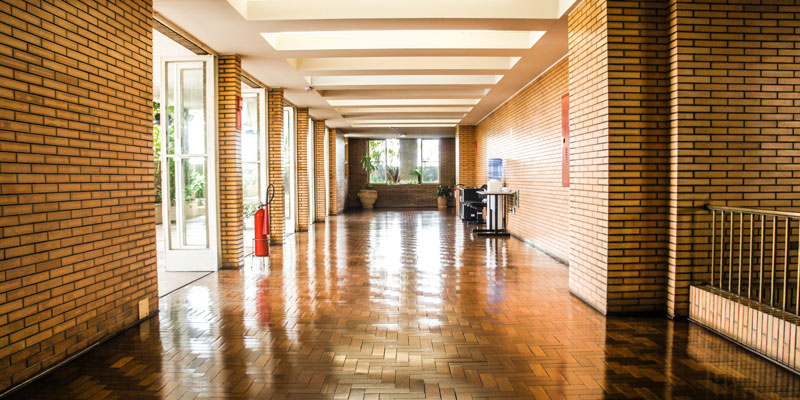
indoor hallway with brick walls and wooden floors with fire extinguisher and stand in middle of hallway

If a fire breaks out, the fire and smoke alarm system should be able to quickly alert students, teachers, and staff members that there is an emergency. The pull stations on a fire alarm should all be in working condition, so if a fire does start, people will be able to quickly activate the alarm. In the event of a fire, the school’s fire alarm system needs to be able to notify the fire department and other authorities to handle and resolve the emergency. To make sure that the school’s fire alarm system is working properly, it is essential to have it inspected by a professional fire protection company. Not only are inspections required by law, but upkeep and maintenance ensures proper operation, so everyone can be alerted to ensure safety.

One of the most important functions of a fire alarm is to warn everyone that there is a fire emergency and to take action. A system can also significantly improve the school’s sense of security and safety. A great fire alarm system is integrated with a school’s access control, camera surveillance, and communication systems. With a comprehensive system, schools will be better equipped to handle an emergency. When a school’s fire alarm goes off, the integrated system will be able to quickly contact proper emergency responders and authorities.

Why Should You Integrate Your School’s Systems?

There are various benefits to integrating your school’s emergency communication, fire alarm, and security surveillance systems. Some will be beneficial in the long-term, whereas other advantages are direr and will directly impact an emergency situation.

Save Money

If you use one company to take care of your school’s security, alarm system, and inspections, you will have the ability to integrate and bundle all your systems. This helps with compatibility and offers a unified, cohesive structure. Repairs and maintenance needs go through one, reliable funnel. When your systems are integrated, you will quickly begin to see the cost savings and benefits.

Prompt, Verified Responses

When an emergency strikes, your school is going to need quick actions from multiple parties. When your systems are integrated, there will be fewer worries of false alarms when an emergency can be confirmed through other resources and equipment. All parts work together and provide quick alert to any required action.

Unifying Tools and Resources

Integration and organization allows for control and management of one system, rather than operating multiple parts. Access to all systems in one location is much more efficient and also convenient. If an emergency arises, schools will have instant access to one, united array of tools and resources to help everyone better handle situations.

An integrated interface will bring a whole fire alarm system together for direct and convenient functionality. Most importantly, it also ensures everyone in your school will be safe and secure from when they enter the building until they leave. To learn more about fire and life safety systems, and how implementing a unified system will help your school building, contact us today.


Posted on
Posted in Energy Management

There are endless reasons for a business to concentrate on energy efficiency in the work building. Electricity costs are rising. Customers want the businesses they buy from to be environmentally friendly. A green company culture is desirable from potential employees. However, when it comes down to the brass tacks, many organizations find it difficult to identify ways to become more reduce energy consumption and be efficient. Consider these workplace policy improvements to help your building operations cut down on energy use.

indoor office workspace desks with computers

Be Smart About Windows and Light

Businesses should use the windows that they have. Far too many office buildings are lined with windows but have shades closed at all times. Inside the building, every light switch is turned on, filling rooms with artificial illumination. This is not only unnecessary, but it is also wasteful. Depending on what direction windows are facing, shades could and should be open for a majority of the day. During cooler months of the year, natural light’s energy can both bring warmth and visibility to offices. During hotter months, shades can be adjusted, so light still enters the building. Trees, both outside and inside, can help to disperse light, so that offices are not too bright or too warm.

Let Your Computers and Laptops Rest

Most people leave their computers and laptops on; it is just a habit. It is easier to keep programs that are being used open and running. While this might save a couple minutes each day, it wastes a lot of electricity over time. Companies should implement policies to not only shut down devices when the workforce leaves the office, but even unplugging power cords and chargers to avoid waste to phantom power. Be conservative with energy during work hours too. For example, computer and laptop settings can be changed to go into automatic sleep mode if they are left unused for more than 15 minutes. Not only is it good to give the machine a break, but it will also reduce the amount of energy wasted and electricity costs.

Use A Retail Energy Supplier

To run a business successfully, a million balls need to be juggled. There is always something to do, improvement to be made, or new advancement to incorporate. Sometimes, to make sure all components of the business are on track, it is best to delegate tasks.

Businesses can incorporate similar delegation with their energy needs. For companies in a deregulated market, they can switch to a retail energy supplier and see tremendous benefits. Not only will they get the best natural gas and electricity rates, but they will also get price protection for those rates, unparalleled customer service, and real cost savings. Additionally, a retail energy supplier will regularly update its clients on the latest technology and methods for reducing energy use and waste.

Set Better Energy Goals

What gets measured gets improved. If a business wants to start wasting less energy, they should first assess what they are doing and where they are most wasteful. This might start simply by looking at the energy bill and setting a goal of a lower number for the next month. It might, however, be more involved, including an energy audit and getting an analytics system set up, so the business can more precisely review how much energy they are using and where the energy use is concentrated. A thorough analysis is conducted, and further details pinpoint where a business building is most wasteful, including the time of day, day of the week, particular machine operations, and more.

Relax the Dress Code

In summer, energy bills see a spike when the outdoors heat up, and HVAC systems run constantly to maintain a comfortable indoor environment. Constant outdoor heat can be accentuated by strict office dress codes, when people are required to wear heavy, long pants; long sleeves; full suits; uniforms; and more. For most days of the year, this type of dress may be unnecessary. Many offices rarely see clients or suppliers come into the office, and much work includes virtual communication with talks over the phone or emails. This creates an opportunity for organizations to loosen the dress code, so employees can keep cool without needing to blast air conditioning to maintain comfortable indoor conditions. This saves a lot of energy and utility costs in the process.

Excessive energy consumption and wastefulness can become a habit. To break this routine, new ones must be created. It takes a little bit of discipline, but offices will see a big difference in their operating cost energy bills if they make the effort. For more extensive methods of increasing energy efficiency, please contact us.

Posted on
Posted in Company News

BCS was recognized for excellence in construction and team collaboration in the 2018 AGC of Kansas State Building Awards and Kan-Struct Collaboration Awards. Thanks to our partners who bring our passions to life by enabling us to build comfort zones for these building owners:

AGC of Kansas State Building Awards:

Maize Schools USD 266- Award of Excellence
case study thumbnail maize early1

Services:
HVAC Equipment, Building Automation System

Partners:
Construction Manager: Hutton Construction
Architect: SJCF Architecture 
Mechanical Engineer: Basis Consulting Engineering, LLC 
Mechanical Contractor: Central Mechanical Wichita

A comfortable learning environment is essential to successful students. BCS worked with the project team to provide quiet and flexible building systems to keep spaces properly heated and cooled for the variety of students and staff utilizing the center. Learn more…

Hutchinson Sports Arena- Award of Honor
case study thumbnail Hutch sports 1

Services:
HVAC Equipment

Partners:
Construction Manager: JE Dunn Construction 
General Contractor: The Waldinger Corporation 
Architect: SJCF Architecture 
Mechanical Engineer: BASIS Engineering Consultants

To continue stewarding city and community funds effectively, Hutchinson Sports arena implemented energy efficient equipment upgrades that accommodated its multi-purpose facility, high occupancy rates and limited roof and cavity space. Learn more…

Kan-Struct Collaboration Awards:

University of Central Missouri- Award of Honor
case study thumbnail UCM

Services:
HVAC Equipment

Partners:
Construction Manager: McCown Gordon, Emcor Services Fagan
Architect: Gould Evans Associates
Mechanical Engineer: Henderson Engineers

The team worked together to build custom ClimateCraft ACCESS units into the university’s Wilson C. Morris Science Building accommodating tight, awkward space constraints and timelines. Learn more…

Congratulations to our partners who made these projects possible. Together, we’re creating comfort zones for people to be more productive and live happier.

Hutch Sports Arena Event Photo Edited
BCS Engineers who worked on the Hutchinson Sports Arena project,
John Martin and Amanda Roodhouse, pictured with Hutch Arena’s Justin Combs.

Ghostwriter Hausarbeit

Posted on
Posted in Building Automation

Individuals with Alzheimer’s, dementia, and other diseases that affect cognitive skills and memory make up a significant proportion of aging and elderly adults living in nursing facilities in the United States. Many nursing homes have already adjusted to this shift with dedicated Memory Care Units, where specialized care can be provided without interrupting the daily lives of other facility residents. Because of the sensitive nature of the services being provided, it can be difficult to find a balance between providing your residents with both the privacy and the protection they need. However, equipping your hospitals and nursing facilities with the right technology will aid you and your residents for better care.

hospital patient getting out of bed with walker

Increased Security

Maintaining security inside a unit that houses individuals with cognitive issues often focuses more on keeping people in than others out. While most nursing homes provide their residents with access to the outdoors, atriums, and social areas, residents with cognitive impairments may require supervision while using these areas to prevent them from harming themselves or others. Security is important to keep all personnel and patients safe.

Incorporating Security Cameras

Using security cameras provides eyes to various locations and can prevent a variety of dangerous situations. Cameras located in hallways, at exits, and throughout common areas can help staff locate residents and monitor them without interfering. When choosing cameras, it is important to keep in mind that residents inside a Memory Care Unit may exhibit behaviors that can cause damage to cameras and other security devices. Ensure that camera choices blend in with the environment and are placed out of arms reach to prevent mishaps.

Many nursing homes have found great success with dome cameras, which blend in well and are difficult to grab on to. Dome cameras are discrete and can be used inside or outside for maximum visibility coverage. As a bonus, they may also be fitted with a shatterproof cover to prevent damage from thrown objects.

Strategic Camera Placement

Every resident, regardless of their cognitive abilities, has a basic right to privacy. This can make placing cameras difficult in some areas of the building. It is always important to ensure that cameras do not record in resident rooms, bathrooms, or other areas where there is an expectation of privacy. Careful placement of cameras in hallways can prevent inadvertent peeping while still covering those areas you need to monitor the most. Some good placement areas include:

  • Hallways
  • Exits
  • Nursing Stations
  • Common Areas
  • Medicine Carts
  • Dining Areas
  • Storage and Janitorial Rooms

Meet with your system installers prior to installing or upgrading your existing camera systems to ensure you are getting the best possible coverage.

Automated Doorway Systems

Doorway automation systems in the Memory Care setting is a great way to provide non-invasive security that doesn’t rely on the constant vigilance of staff members. Many nursing facilities were not designed with a Memory Care Unit in mind and are not designed to allow staff to easily monitor and direct resident traffic.

In a Memory Care ward, flexibility is the key to keeping your residents safe. While some areas, such as janitorial closets, nursing stations, and maintenance rooms should be off limits, other communal areas may only be accessible by certain residents or at certain times of the day. An automated system can help nursing staff keep track of residents with safety-related behavioral issues. Door monitoring systems are extremely popular inside nursing homes and are one of the most flexible ways to control the flow of traffic in your building.

Flexible Access

Anyone working in a Memory Care Unit knows that adaptability is the best way to keep residents happy and safe. The ability to flex rules to contain behaviors is a key part of the Memory Care environment. Camera systems allow staff to monitor residents who do not wish to be approached. Door automation and alarm systems allow you to customize access on the fly, allowing some residents into areas while keeping others out. The flexibility and non-invasive nature of these systems make them essential to providing high-quality Memory Care services.

A nursing facility isn’t just a business; it is also a home. Ensuring that your residents are comfortable as well as safe is a big part of providing them with the care they need. Most nursing homes opt for non-invasive security options to assist their staff in keeping residents healthy and safe. Whether you are installing a new system or upgrading an old one, our healthcare security specialists can help you create a safe environment for your staff and your residents. Contact us for more information and to learn more about how our building automation solutions can help your healthcare facility needs.

Contact Us

Learn more about our services and offerings.

Service Requests

Our team is ready to assist. Please use one of the options below to submit your service request:

Warranty Claims

You can now submit warranty claims online via our fast and convenient online warranty process.

Become an Expert

Become an expert in building intelligence. Save money by lowering the total cost of ownership of your facility equipment. Sign up to receive helpful tips, tricks, and insights to facility management from people who’ve dealt with it all.

Become an Expert

Become an expert in building intelligence. Save money by lowering the total cost of ownership of your facility equipment. Sign up to receive helpful tips, tricks, and insights to facility management from people who’ve dealt with it all.