Posted on
Posted in Energy Management

Energy use and waste is a popular conversation. Environmental organizations are making more noise, and the government is passing stricter legislation. The average citizen is becoming more conscientious of how much energy they consume and how much energy the businesses from which they buy consume. For a company, becoming more energy efficient is not simply a cost-saving measure, but possibly a profit-creating initiative. The greener an organization is, the more customers they can bring in, the more customers they can retain, and the more tax breaks for which they are eligible. That said, it is good to be aware of the most effective and innovative ways that a business can adjust its operations to reduce their energy use.

woman at desk working on laptop

Occasionally Work from Home

Many businesses are starting to look kindlier on the idea of working from home. For one, it is a big incentive to many potential hires. It allows them to save money and time on their commute to and from work. It also offers them more freedom if they have young children. Additionally, working from home permits schedule flexibility to work their own hours.

Employees aren’t the only beneficiaries; it’s also a big bonus for many businesses. When employees come into an office, they use company resources and electricity. They need heat in the winter and air conditioning in the summer. They use water for drinking, washing their hands, and other needs. All these resources add up. Energy use in the office can be significantly reduced if employees are permitted to work from home even just one day a week.

Holding Virtual Meetings

Every company has meetings for team collaboration. Sometimes the meetings are internal and between different office locations. Client meetings are usually frequent. And other times, meetings take place with vendors. Much of the time, though, these meetings are scheduled to be in-person. Someone, or multiple people from the organization, must often fly or drive to a distant location. This consumes fuel, which could be avoided simply by changing the meeting to a virtual one. With Internet and technology like Skype and WebEx, a virtual meeting can be just as effective as an in-person meeting. In fact, applications often have additional collaborative tools that can make meetings even more productive.

Strategically Plant Trees

Trees can be used as a natural buffer for weather. If planted strategically, they can provide enough shade for a building during the summer to minimize air conditioning use. In the winter, trees can even block the building and its windows from chilling winds, reducing heating needs to maintain a comfortable environment indoors.

Use Energy Star-Certified Appliances

Over the last few years, appliance manufacturers have developed advanced mechanisms for just about every appliance on the market, making them considerably more efficient. At first, many companies are skeptical about making the switch and purchasing Energy Star products. They know that they are more efficient, but the initial investment in appliances can be very costly. In addition, older equipment seem to be in working order and have quite a few years of life left in them. It can be difficult to reconcile the cost of a new product; however, it is often worth it to get rid of the old machine and replace it. Older models do not operate at optimal efficiency and waste significant amounts of electricity and resources. If an organization sits down and really crunches the numbers, they will see the benefits of investing anew. It might create a hefty upfront cost, but the costs will recuperate itself aplenty down the line.

Performance Solutions works with buildings and managers to develop a plan to maximize performance and reduce operating costs with strategies that are perfectly customized for you and your facility. For more comprehensive ways to make your building energy efficient, please contact us.

Posted on
Posted in Facility Budgeting

All businesses, large or small, can save valuable time and money by striving to keep employees up-to-date and well-equipped to handle everyday operations and emergencies. Professional offices, factories, and business enterprises depend on the teamwork of employees with managers to operate smoothly for success and to return profits.

close up of hands of two people in meeting

Train building managers to understand and teach others how the business system works within each type of building and structure. This investment in training provides the company an advantage, saving money over the long run, as managers can train others down the chain of command. When everybody finally knows how the business works, they understand how their work aligns with company goals, and they can concentrate on doing their job better or adjusting to better succeed. Training managers and employees helps everyone involved know how the business hierarchy works, what to do when a system fails, who to contact for help, and how to prevent accidents or injuries before further help arrives.

The better a building manager understands how the facility works and what may present a problem, the easier an issue is remedied or avoided, especially with fire and safety measures and equipment. The safety of personnel within the facility and while operating equipment mostly relies on prevention and avoidance of accidents. Building managers who are well-trained to look out for warning signs before a problem comes to fruition can save time and money, but also, possible injury to employees or damage to equipment or structures. Two of the most important aspects of facility planning that cannot be overlooked in any business are fire prevention and security systems. A manager who knows what to do in an emergency, such as a fire in equipment, can save the whole operation from devastation and closure. Managers who are well-trained on the maintenance and use of products installed in a facility are critical not only for fire and life safety, but also, HVAC mechanical equipment and building security systems.

Training building managers to understand all aspects of what keeps a business running well and efficiently requires staying up-to-date on emerging new products or developments in all areas of the operation. Facility managers should be taught and stay informed on emerging trends and innovations, looking out for better ways to run operations. New tech, thoughts, and methods continually come out, and many have potential to decrease operating costs, and building managers need to know how they could help their facilities and see if investing in these changes is right for them.

When a business is planning or updating products and services in building automation and temperature controls, an energy utilization analysis from a reputable control service greatly improves the understanding of the facility management systems. Managers who receive the training provided from the product company know the best way to utilize those products and services.

Besides other employees, staff, and tenants within a building, owners also coordinate with and receive information from many external entities, including engineers, contractors, and architects. Owners have great influence on operations and costs, so they need to be able to make informed decisions from incorporating all details from many different sources, aspects, and points of view. Organization and management is a critical skill to hone and have.

When looking to train your building operation managers, look for reputable sources with solutions that are manageable and are successful. Running a facility depends on great products, system management, and training with up-to-date information from reliable sources. To learn about manager training, new business system products, and more, contact us today.

Posted on
Posted in Energy Management

After a long winter, spring is a welcome relief to many. For a facility manager, spring is the time for upkeep. Spring cleaning involves maintenance for those parts of a building that require it after a long period of cold weather, especially if it’s been neglected. Spring cleaning is also important for getting ready for the months of hot weather ahead. Review your maintenance program for the upcoming year with the tips below.

maintenance worker on outside of skyscraper building

Clean Your Carpets 

Dirty carpets are one of the big problems facilities face after winter. Carpets undergo a lot of messy traffic during the cold season. Every foot that enters the building tracks in debris, mud, and salt. Thoroughly cleaning the areas and building entryways that see the most traffic is essential. This not only helps keep up appearance, but also it gets rid of dirt and debris that can seriously impact indoor air quality. Proper preventive spring cleaning will also lengthen your carpet’s lifespan.

Wash the Windows 

Windows are notorious for being difficult to clean. Window cleaning is a job that no one wants to do but is also one that can have a big impact your building’s appearance. Winter can be hard on all areas of your building’s exterior, including your windows. Dirty windows affect how your building and, thus, your organization are perceived. Windows have an effect on the building’s interior as well. Accumulated grime on your windows can diminish the amount of natural light that reaches building interiors, affecting the need for electrical power, utility budget, and even the mood of people within. Washed windows provide more light and can improve morale. To maximize the benefits of window cleaning, clean your windows both on the inside and out this spring.

Work on Your Landscaping 

Landscapes can have a major impact on how your visitors and employees view your building. By properly maintaining your landscape, it is possible to give any facility a more inviting appearance. Spring is the time when the landscape around your facility will need your attention the most. You many need to initiate jobs now like laying down mulch, trimming bushes, and planting new flower or shrubs, so they will have time to flourish and grow for warmer weather and summer. You will also want to inspect your irrigation system. Look at nozzles, sprinkler heads, and valves to make sure there are no leaks and that everything is in working order.

Maintain Hardscape 

Winter weather is just as hard on concrete and pavement as it is on the building’s exterior. Check all walkways, parking lots, and patios to ensure that they are in good shape. Potholes form in winter from freezing and expanding water in cracks and grooves, so inspect to make sure pavement isn’t severely damaged and unsafe. You may need to repair, replace, or power wash to keep it all looking good and to ensure that it lasts for as long as possible.

Maintain Furniture 

While your carpets are more likely to need attention in the spring, there is a strong likelihood that your furniture will need some spring cleaning as well. The snow and mud that gets tracked in over the winter can damage the fabric and sometimes even the structure. It is especially important to inspect upholstered furniture to determine whether it needs professional cleaning.

Inspect for Pests 

Spring signals nature’s rebirth after winter. Among the creatures that will be multiplying during this season are pests like mosquitoes, termites, and bed bugs. Infestations can close down a facility for weeks in some of the worst cases. As with most other aspects of facility management, the best course to take is the preventive one. Identify the most likely pests to cause problems in your area, and take measures to keep them out. If you previously had problems, inspect and correct any issues that may draw critters to your building now.

A well-maintained building benefits both the productivity, health, and morale of staff, personnel, and other tenants. Proper maintenance and investments can reduce costs and ensure that your facility performs at optimal levels. Contact us to learn more about programs to optimize your facility and maximize savings.

Posted on
Posted in Mechanical Equipment

When it comes to overall building maintenance procedures, implementing a specific plan for your commercial HVAC system can extend the life of your unit and save money in the long run. Having an efficient, well-run HVAC system from the start can help you avoid headaches down the road. Here are five things you should incorporate into your ongoing maintenance routine to keep your HVAC system running smoothly for years to come.

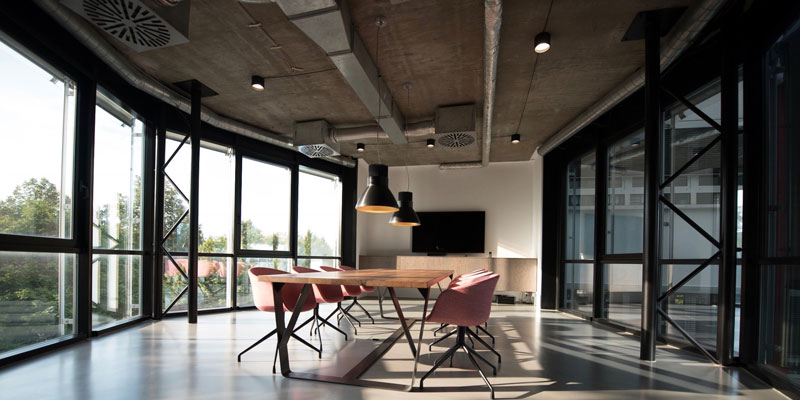
office conference room with overhead ventilation system

Seal Windows and Doors

An efficient way to keep your buildings cool in the summer and warm in the winter is to block out external elements as much as possible. If your commercial space is in an older, drafty building, it might be time to have upgrades made to windows and doors, so they are more energy-efficient and can keep interior spaces temperate, no matter the weather outside. These improvements could be as simple as sealing existing window and door frames with weather stripping, or as major as an entire overhaul of existing windows and doors to bolster overall efficiency.

Keep Exterior HVAC Units Clean

Exterior commercial HVAC units outside of buildings sometimes can go to the wayside when it comes to ongoing maintenance and upkeep. Delegating this task to maintenance professionals or landscapers can be a simple way to ensure that exterior units are monitored, kept clean, and clear throughout the year. If any rusting or damage is noted, this can be reported to the building manager, so that external commercial HVAC systems and condensers are serviced and can be quickly fixed when damaged.

Schedule Regular Maintenance

Something that should be a regular item on the books of a property management team or building manager is having commercial HVAC systems checked for maintenance on a regularly scheduled basis. This can help identify small issues before these become major problems, and can cut down on the need for expensive emergency repairs. General maintenance can be a great thing to schedule between seasons, when filters may need replacing for maximum efficiency.

Heating and Cooling Alternatives

The more you can do to help practice alternative heating and cooling options throughout a large building or space, the better. This might involve incorporating fans and cooling systems with a fan option as opposed to only ‘off’ and ‘AC’ usage. Invest in industrial screens that are tamper-resistant or adding stoppers on windows. This will allow individuals to open windows for airflow without compromising building safety. Invest in heavy blinds or curtains that can seal in heat when you need this, so you don’t need to rely on your heating system as much.

Focus on Spaces in Use

If you own a large commercial space or have an office with many vacant rooms, put some thought into what areas need to be cooled and heated, and what might not. In the winter months, having doors that automatically shut and keeping doors connecting to larger lobbies and hallways closed will keep heat where it needs to be. Ultimately, you’ll rely on your HVAC system less. Make sure your commercial HVAC system is on a timer and have this checked and serviced regularly. This way, your building won’t be working overtime to cool or heat itself when no one is around, including long weekends and holidays.

Commercial HVAC systems are a great resource in larger commercial spaces, but they shouldn’t be neglected. If you can ensure your HVAC system is serviced regularly, you won’t get stuck with as many emergency repairs and maintenance problems overall. If you are looking for efficient HVAC solutions for a commercial space, contact us to help you get the right equipment installed for your needs.

Posted on
Posted in Energy Management

Relying on the same building operations and equipment for a very long period can be hugely problematic. Even when they aren’t exhibiting any obvious malfunctions, they might still be costing organizations a lot of money due to inefficiencies or excessive upkeep just to keep them running. With old processes and equipment, organizations won’t be able to take advantage of benefits of modern building operations.

white skyscraper building with boarded up windows

Old building operations and equipment can be a ticking time bomb for other severe issues. For example, organizations will rely on various building operations during emergencies. When these implementations are outdated, they may fail at the worst possible moment. It’s possible to reduce the likelihood of certain emergencies through careful planning.

Emergency situations pop up, even in the most variable, severe weather conditions. Organizations need to have properly functioning systems and equipment to ensure greater chances of safety during truly challenging situations. Having outdated, out-of-service equipment restricts their functionality and is not reliable.

To make matters worse, it’s even possible for some failing building operations to cause certain emergencies. Ancient heating and air-conditioning systems are more likely to cause fires, for instance. Don’t allow your equipment to become liabilities. Be on the lookout for the following weaknesses and causes of deterioration, and upgrade if necessary.

Seasonal Issues

Old heating and air-conditioning systems will often be less energy efficient than newer models. Organizations relying on old HVAC systems waste a lot of money trying to pump out and overwork an outdated system. Operations are impacted especially during summer and winter months, when temperatures are more extreme, and maintaining and regulating interior temperatures requires more system output, thereby increasing utility bills.

In addition, organizations need to be concerned about the indoor air quality of their space. Outdated air-conditioning systems will often make the indoor air quality of a building significantly worse. While indoor air pollution is an issue for everyone, it can be particularly troubling for those who have allergies. Many allergies are seasonal in nature. During the warmer seasons of the year, people who are already struggling with allergies will find it very difficult to be in a building with an old air-conditioning unit, suffering with poor air quality.

Equipment Degradation

Even when outdated building operations appear to be in relatively good condition, they still won’t be as efficient or advanced as the modern models. Organizations will be unnecessarily losing time, money, and resources to maintain and run old systems. Some equipment that buildings absolutely need to function will start to fall apart past a certain point in time and life cycle. Organizations can suffer from countless issues as a result, ranging from indirect inefficiencies or direct equipment failures and breakdowns. Therefore, replacing or updating the equipment could solve multiple problems at once.

Complex System Intricacies

Essential systems that are frequently used will eventually develop major problems. Given the complexity of these systems, problems might not be obvious at first; however, these issues will only become more apparent over time as it wears down from constant, necessary use.

A single issue with a complex system can cause the entire system to fail in a way that might be difficult and too costly to repair. Of course, when building operations are old and flawed, repairing them might not be cost-effective. It is important to balance and gauge the investments necessary for repairing and replacing these systems.

Noticeable Building Problems

It’s often a sign to update to newer building operations when the people directly involved observe and can report having issues with equipment and systems. These can be building managers, machine operators, and other personnel that feel the worsening effects. Older building operations are genuinely more difficult to maintain and can be noticed on every level.

Performance Solutions can help analyze your current building operations and equipment situation to determine if they need repair or replacement. We can also evaluate your efficiencies to help reduce unnecessary operation expenditures. For more information on the best, customized solution for your buildingcontact us today.

Posted on
Posted in Preventative Maintenance

Despite the fluctuating weather lately, spring is on the horizon. Building managers and staff need to start thinking about how to handle spring maintenance in terms of their facility operations to ensure it functions at optimum efficiency and capacity. Consider these elements of building operations as the seasons transition.


Air Filters

Air filters on all HVAC equipment should be checked and changed before the temperature reaches levels at which air conditioning is needed. Spring is also a good time to check and clean all air conditioning units and make sure that systems are running properly.

Thermostats

As we switch from needing heating to air conditioning, thermostats should be adjusted slightly upwards to save energy. If you have smart thermostats, they can be programmed with winter and summer settings. Be sure to re-check these automatic settings to ensure they are still programmed correctly, especially in this middle ground weather season.

Consider Your Peak Usage Times

Schedule major repairs and updates to work around times when your facilities have the most traffic. This will minimize interruptions for building users as well as maintenance workers. For example, college and school campuses tend to experience lower use during the summer. Tourist facilities, on the other hand, may or may not have a winter off season. If your facility has had downtime throughout the winter, then it is vital to check plumbing, as damaged pipes may have gone unnoticed while they were not being used.

Check for Roof Leaks

Snow melt can cause problems for roof leaks and clogged gutters, though these should have been cleaned in the fall! Now, it’s a good idea to check and clear them again for the spring. Check flat roofs for standing water. Water seepage and potential damage is most often caused by snow melt or spring rains, so it’s important to check your roof regardless of your climate.

Start Looking at Landscaping

Some annual plants need to get in the ground as soon as snow has melted. Inspect lawns for bald spots as soon as you can, so you can plant new seeds and give them a chance to grow. Also inspect and test irrigation and sprinkler systems. Lawns and perennial boundaries should be fertilized. If you have made changes in your landscaping, make sure to update your watering and irrigation schedule so that new plants receive the water and resources they need.

Pot Holes and Road Safety

Pot holes tend to form in parking lots and driveways when the temperature changes, water freezes into ice, and expands in pavement. Spring is a good time to patch any holes or cracks in parking lots, driveways, and sidewalks. Repair them before they become a liability problem.

Wash Windows

Windows tend to get neglected during the winter, and dirt and grime builds up. Now is a great time to hire window washers and spruce up the exterior of your building, letting in that spring light.

Pest Control

During winter, pests tend to remain dormant and cause fewer problems, but they all show up in the spring. Make sure to spray and prevent appropriately, and do an inspection for signs of rodents. Wooden buildings should be checked for termite damage.

Clear Clutter

In winter when people are less inclined to go outside, trash can sometimes build up just inside the building instead of being properly taken outside. Clean out now. As you go outside, this is also a good time to check emergency and stairwell signage and lighting. If possible, test the backup generator and make sure it is powering everything it is supposed to.

Check Fire and Emergency Systems

Test all smoke alarms and replace batteries or backups immediately. If you have fire extinguishers, make sure none are expired; replace if necessary. Take inventory of your first aid kits. If needed, replace expired supplies. Ensure these are properly upkept, so they are ready or at the ready when emergency unexpectedly strikes.

Spring cleaning is often alludes to clearing houses, but commercial buildings benefit from it as well. Scheduling routine maintenance on plumbing, roofs, HVAC systems, and more for the spring is particularly valuable, especially for buildings which experience winter down time. If you are looking for custom solutions to support your facilities management needs and to make sure that spring maintenance is done properly and on time, contact us today.

Posted on
Posted in Energy Management

This is the second half of our two-part article on workplace energy efficiency. Last time, we discussed how external factors can influence the resource consumption and energy or maintenance expenditures your building may need. Yet, most of the direct ways to alter your power usage happens indoors from internal operations. Consider adding and practicing these energy-efficient building adjustments to reduce operation energy bills.

exterior of offices in skyscraper building at night

Wall Decor: Art, Insulation, and Sound Dampening

Insulation is one of the most important aspects of a building’s energy efficiency. It keeps the cold from escaping in the summer and the heat from escaping in the winter. It also serves to dampen sound between rooms to reduce echoes and unintentional sound carryover.

However, if you don’t have the capabilities to open your walls to add and change internal insulation, pieces of wall decor can be an alternative solution. Hanging heavy, decorative rugs or blankets can serve a triple purpose in the workplace. First, it can be nice wall art, which serves to break up long stretches of blank business wall. Second, all that fabric prevents drafts and helps to keep the cold from transferring between the outside wall to the inside rooms. Finally, the fibers of the fabric itself catch and disperse sound reducing both echoes inside rooms and transference of sound between rooms.

Company Settings for Monitors and Lights

Light is by far one of the costliest energy resources that we require to run a modern business. While LED bulbs and smart home/building automations save energy for the building environment, also consider your technology tools, like the power it takes to light up a monitor. Unless you’re in a sun-drenched or very brightly lit room, full monitor brightness is almost never necessary, and many people may prefer to work with dimmer monitors. Dimming all the monitors in the company even by 20% can make a noticeable difference in your power bill. Encourage employees to dim monitors as much as reasonably workable.

If your company runs a little non-traditionally, consider practicing “lights out” hours. Turn off most lights, and dim monitors. This can be a fun, interesting way to save money on a regular basis. Even if it only minimally affects your monthly energy bills, it can add up greatly over time.

Wi-Fi and Appliances at Night

Depending on the size of your business, you could be wasting energy broadcasting too large and too long of a Wi-Fi signal to cover your entire building at all times. Unless you have a night shift, you may not need wireless networking overnight after everyone has gone home. Consider setting your Wi-Fi broadcast to turn itself off at the end of the day and back on before the first shift starts. This can save a little money every night.

If your building has a night-time down cycle, the Wi-Fi router isn’t the only appliance or function you don’t need at night. Coffee pots, printers, and fans can all be switched off for nights and weekends with minimal to negligible impact on daily business life. You might even consider unplugging them to kill phantom power problems, as appliances continue to sip on tiny amounts of energy even when not in active use.

Thermostat Accuracy

Your HVAC system works with the thermostat to maintain indoor environments to match temperature settings, running either the air conditioning or the heater. The thermostat is an incredibly useful device, allowing us to judge the temperature of an entire room by taking measurements at a single point. Therefore, the location of your thermostat matters greatly. To get most accurate, comfortable, and efficient results from your thermostat, keep other appliances away from it to avoid poor temperature readings. When appliances run electricity, they generate heat, which can change the temperature locally. One or two large appliances near your thermostat can affect accurate readings, and affect HVAC systems to trigger (or not trigger) unexpectedly.

Every business strives to lower its overhead by improving energy efficiency. Simple practices of various techniques can lower your monthly and annual power costs. Your building also becomes more sustainable in your business practices. For more information on energy efficiency solutions for your commercial facilities, contact us today!

Posted on
Posted in Life Safety Systems

In Healthcare, there must be meticulous planning in place for patient and staff safety, especially in light of mass shootings and attacks that fill our nation’s news reports. Use of modern technology efficiently ensures the safety in your facility, assets and occupants. Security systems play a large role in risk mitigation, quality of care and maintaining compliance. Safety planning and high-quality systems and equipment combined can reduce accidents, negative outcomes, and legal liabilities. Decision makers in your organization are responsible for the big picture health of your facility, for example, minimizing environmental hazards, reducing occupational injuries, and preventing avoidable tragedies. Having a security system in place helps hospitals fulfill their goals and minimize events, but how do these systems effect the day to day of staff working in the facilities? The answer: security and comfort. Security systems should allow your staff to feel secure and comfortable, enabling them to provide the best quality care to your patients.

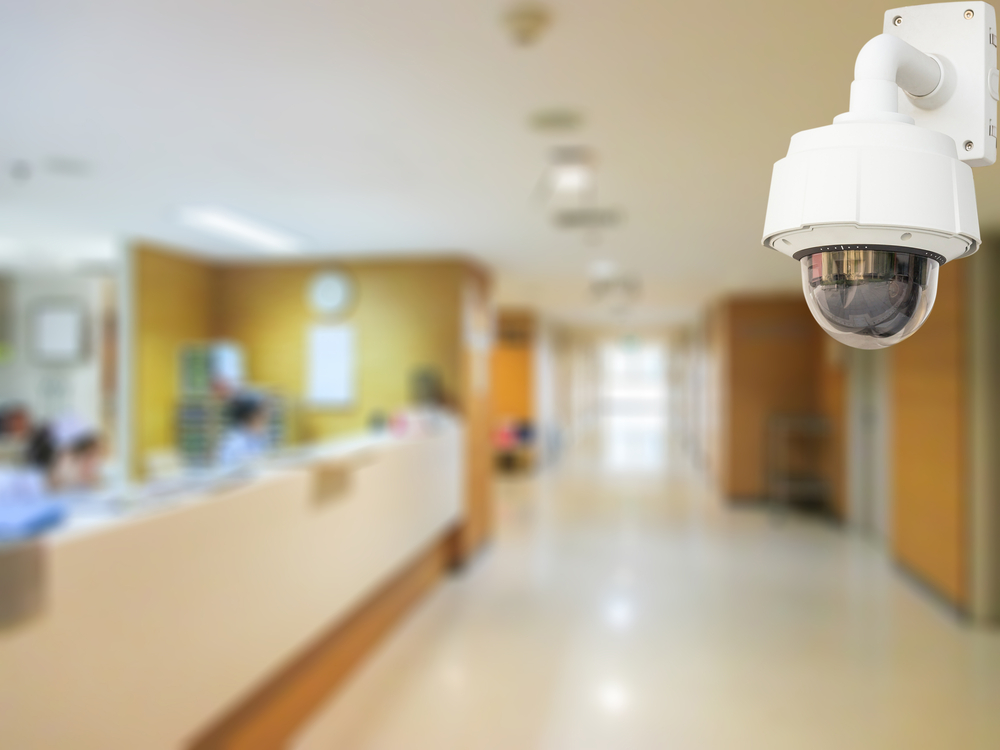
Surveillance Camera in hospital hallway

There are numerous fire and safety systems on the market. They address high priority security concerns in hospitals such as workplace violence, infant and pediatric abduction, emergency room safety, theft prevention, parking lot monitoring, and pharmacy control. Your staff may not see them working, but these security systems are working and monitoring in the background every day. Here are some examples of how security measures affect the environment of your facility.

Video Surveillance Systems

The use of IP cameras strategically placed throughout the facility provide monitoring, identification, insight and protection on live and recorded feeds. Stored video footage defends against false claims of injury on hospital property. Visual evidence can disprove assertions, saving hospitals pricy, unwarranted insurance claims. In addition, cameras can prevent potential break-ins while operators watch for troubled patients, issues with staff and unauthorized visitors in restricted areas. This evidence-quality video is also valuable evidence for police during criminal investigations that could lead to prosecution and conviction.

Video surveillance systems improve communication between coworkers, departments and buildings. For example, employee disputes are easily resolved with available footage to shed light on incidents in question.

Access Controls

Patients can be unpredictable. They may need to be quarantined quickly to prevent spread of disease or reduce risk of violence to others. Access Controls, or controlled entry points with limited access, can restrict admission to sensitive areas allowing facility security and maintenance the ability to know who is going where and when.

Access Control Systems reduce the number of “touch points,” points of access where a staff member must physically make contact with an object in order to get through, such as a handle, push bar, keypad, or similar security device. In a hospital environment, where the spread of disease and illness is a major concern, touch points create a hazardous breeding ground for germs. Door readers, which read and authenticate a credential from a distance, remove the need for touching keys or keypads. Credentials are presented in the form of a smart card and doors can be programmed to open automatically upon verification.

Full of pharmaceutical drugs and expensive equipment, hospitals are highly susceptible to theft and abuse. According to a survey conducted by VHA, Inc., patient theft alone costs hospitals at least $52 million-a-year. However, theft of equipment and drugs is more preventable than ever. A strong, comprehensive Access Control System can improve overall security, decrease hospital liability, and increase patient and staff safety. It is estimated that between 3 and 10% of hospital expenditures could be saved if proper security were implemented, according to Tony York’s Hospital and Health Management. Drugs and equipment can be tracked through the system as they are moved from location to location within a hospital. Each pharmacy item and piece of hospital equipment can be fitted with tags that are scanned through each access point as they travel through. Need a piece of equipment in a hurry? The system also provides a rough estimate of equipment location so hospital staff can find it quickly.

Wireless Duress – ElPas

Staff wear a pendant or badge that notify dispatch of their location, level, unit and room, in the case of an emergency. In addition, Elpas sends a signal to the PA/Intercom system to announce room number for rapid staff assistance. The software records details of the badge holder name and location for easy reference. This system is used worldwide for its various applications including baby tagging, asset monitoring, elopement risk tagging, high fall risk (detects falls in the process) tracking.

A functionality of ElPas, Mass Notifications provide loud-speaker and local notification alerts to all Via Christi staff and patients. These systems distribute emergency communications to hundreds of thousands of people through network-connected devices in minutes. Alerts are communicated in the form of audio, LED strobes, computers, phones and mobile devices. These systems are highly customizable. For example, to avoid the unnecessary panic of bed-ridden patients, the entire fire safety system can be programmed to project varying signals based on the healthcare facility area.

Historical pandemics such as smallpox and avian flu have overwhelmed health care infrastructures and spread quickly through populations. Because the potential impact of a pandemic is so great, health organizations must be ready to quickly respond to such an event in order to mitigate the damage. On the front lines, your Mass Notification System will deliver detailed and tailored communications based on the threat or scenario.

Not only do your facility’s security systems provide you physical safety, they also provide peace of mind. In light of recent national safety concerns, its time to consider investing in the highest-quality safety systems to keep your staff safe, comfortable and able to perform their jobs excellently. BCS can partner with you to find the best security solutions for your hospital. Contact us to get started.

Posted on
Posted in Energy Efficiency

When you’re managing investments to your building, you may wonder whether it’s really more efficient to capitalize with green materials. While it’s generally good for your business to take concern for the environment, is the overall expense worth it? In many cases, green initiatives can help save on building operations costs, reducing your long-term expenses, and that makes it well worth the effort. Try these green initiatives in your buildings to cut down on operation costs.

exterior of glass building wall with reflection of trees

Install Solar Panels

Generating your own energy sounds like a dream. Depending on the size of your building, especially your roof, you may find that solar panels can generate a significant portion of the energy for your business uses every day. This will save you a large percentage of your regular energy costs. Despite the large upfront investment that may be daunting to many business owners, over the years, solar panels more than pay for themselves in resource generation and reducing expenditures.

Take Advantage of Immediate Financial Incentives

When you’re planning and constructing the foundation and structure of your building, it’s important to consider various incentives to encourage the use of green materials. In many cases, you can receive tax credits from the federal government, state government, and even local government to use green materials throughout your building process. Consider the specific incentives available for your area, whether it’s using eco-friendly building materials or generating some of your own energy through alternative means, like solar or wind energy, around your building. Your incentives may vary based on your local area and the type of building you’re creating.

Plan and Build Facilities with Energy Efficient Equipment

By using green building materials, you can increase the energy efficiency of your building by as much as 30%. This means significantly less money spent for heating and cooling expenses and other important energy uses over the years. Consider items like:

  • Energy-efficient HVAC units, specifically those with an Energy Star label. These require less overall energy to heat or cool your building.
  • Windows that are designed to prevent energy loss through glass.
  • Materials that fit tightly together, preventing energy loss through gaps.
  • LED lights and other lighting elements that use less energy to create the same brilliance needed throughout your building.

Add Water-Efficient Components

Resource efficiency doesn’t solely take into account electricity; you can also implement green initiatives to save money on your water bill each month as well. Consider choosing eco-friendly materials like:

  • Low-flush toilets that use a smaller amount of water to move waste through the pipes
  • Sinks that are designed with automation to only turn on when someone activates it
  • Shower heads, if relevant, that use less water
  • Appliances, like dishwashers and washers and dryers, that carry the Energy Star rating and are more efficient in their water usage

Consider Long-term, Sustainability in Your Plans

Green building materials aren’t just designed to be eco-friendly on installation. They’re also designed to last longer, giving you a building that will stand the test of time. Eco-friendly materials require standards of high quality, so implementing them in your business will be wise in hindsight when cheaper materials fail earlier. Green materials also typically have lower maintenance costs, which means substantial cost savings over the years. When you don’t have to replace components of your building, you’ll discover that it’s much less expensive to maintain the entire facility.

Going green for your building isn’t merely providing a label for your eco-friendly business. It also accrues substantial cost savings over time. If you’re ready to create an eco-friendly building that will help take care of your business for years to come, contact us today to learn how we can help. We’ll work with you to design and plan your building, choosing quality, eco-friendly materials that fit your operations and budget needs.

Posted on
Posted in Energy Management

Energy efficiency movements are more than just a craze; it’s a financial reality. “Going green” has evolved to an incredibly practical way to save money on your power bill. Today, building managers can consider energy efficiency while paying less for better performance. Energy efficient appliances, materials, insulation, lights, and smart devices can greatly reduce your utility expenditures, but even routine maintenance around the building can significantly improve the energy efficiency of a business. While you’re putting together your budget for major upgrades, consider these small procedural and area adjustments that can easily and positively impact your energy consumption budget.

snowy alley between buildings with leafless tree

Take Care of Trees

Most businesses with their own grounds have a landscaping contract with a local service. This ensures that the grass is always cut, the flower beds are beautiful, the trees stay out of the power lines, and even the design is maintained throughout the year across changing seasons. Whatever your landscaping plan, those trees and shrubs are actually more useful than you may have imagined.

In summertime, your building heats up greatly with amount of sunlight that hits it. The more direct sunlight to the façade, the warmer the building gets, and the harder your air conditioning system must work to sustain a comfortable environment. One of the most useful services a tree can provide, other than creating oxygen, is to shade your building and help keep temperatures down. Blocking direct sunlight can drastically reduce temperatures, and thereby building cooling costs.

However, don’t let tree branches grow long enough to overhang rooftops; this creates an entirely different problem. Throughout the year, a heavy storm may cause limbs to directly break and fall. In addition, particularly wintertime, tree branches can become overloaded with heavy snow and ice. If a branch breaks over your roof and crashes to your building, it can do serious damage that will require repair. To serve all seasonal needs, grow big trees near the building, but prevent branches from overgrowth. Trim, prune, or cut branches from overhanging the roof by more than a foot or two.

Watch Out for Roof Snow

Snow has one of the biggest impacts on building operation utility bills. There is a fine line between useful snow on your rooftop and becoming a hazard. Snow can act like a blanket, insulating parts of your roof. On the other hand, potential risks start as snow begins to melt and refreeze. This is a particularly bad problem when piles stay in place for days, as partially melting and refreezing snow becomes dense, heavy, and change to partly solid ice. These piles can form ice dams and could even collapse weaker sections of a roof if the structure can no longer support it. If you can do so safely, try to keep your roof clear of excessively piled up snow with a rake, extended broom, or shovel.

Throughout all seasons, and especially in summer or winter, making your office building more energy efficient is a simple matter of thought and implementation. Of course, there are plenty of technologies and systems to automate sectors of your building to reduce energy costs, but even some minimal-effort practices and routine facility maintenance can do great for building operations.

In the next post, we discuss energy-efficient wall decor, appliances, office Wi-Fi settings, and more. Contact us today for more information on how we can help evaluate what areas of improvement your building needs and how our solutions, backed with advanced data and analysis, can make your office more energy efficient through building intelligence.

Contact Us

Learn more about our services and offerings.

Service Requests

Our team is ready to assist. Please use one of the options below to submit your service request:

Warranty Claims

You can now submit warranty claims online via our fast and convenient online warranty process.

Become an Expert

Become an expert in building intelligence. Save money by lowering the total cost of ownership of your facility equipment. Sign up to receive helpful tips, tricks, and insights to facility management from people who’ve dealt with it all.

Become an Expert

Become an expert in building intelligence. Save money by lowering the total cost of ownership of your facility equipment. Sign up to receive helpful tips, tricks, and insights to facility management from people who’ve dealt with it all.